
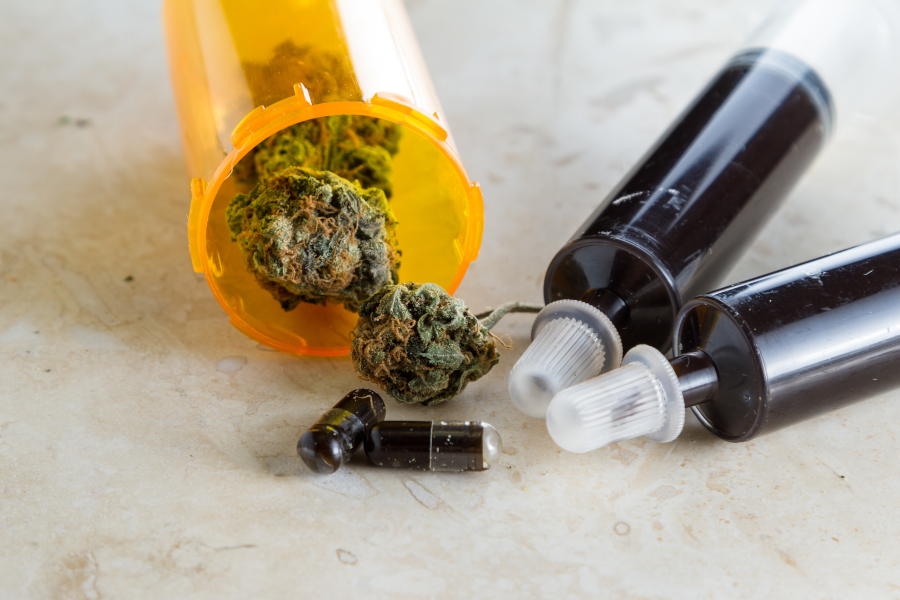
Ingestion vs. Inhalation

Since the dawn of time (or the Counterculture Era of the 1970s), cannabis consumers have argued which form of getting high is better: smoking or eating? Although the responses are subjective, there are a few objective things to know when discussing the ingestion of cannabis versus the inhalation of cannabis. Here are five key differences between consuming edibles and smoking.
The Absorption Rate of THC
One of the key points to remember when choosing to smoke or eat THC is the difference in the absorption rate. When smoking cannabis, it only takes 7 to 15 seconds for the cannabinoids to cross the blood-brain barrier where those feel-good effects begin. Realistically, it can be anywhere from 7 to 10 minutes before the user recognizes that they are now medicated. Conversely, when consuming an edible, absorption rates vary per individual. This is because edibles are consumed the same way oral medication is consumed. Once the THC has hit your stomach, it must metabolize before the effects become noticeable. This could range anywhere from 15 minutes up to an hour.
Duration and Effects
Edibles and smoking also have a difference in their effects as well as how long they last. Smoking cannabis can yield the user to feel onset effects anywhere from 1 to 4 hours. On the other hand, consuming edibles can yield everlasting effects. The effects of edibles often last anywhere from 4 to 12 hours. This is why people who fall asleep waiting for the effects of edibles to kick in often 'wake up high,' which is a very intense feeling within itself. In regards to the difference in effects, there is no difference. However, there is a huge difference in intensity with the help of edibles.
Potency Disparities
As you may have guessed, there is a clear disparity between the potency of traditional cannabis that is smoked and their edible counterparts. This is because edibles do not have THC in there. Edibles have a cannabinoid known as THCA. This acidic form of THC is achieved with the help of Decarboxylation, or 'decarbing.' Summarily, this process converts the THC found in dry cannabis flowers into THCA, which is needed to be absorbed by the body. When smoking cannabis, the open heat will naturally convert THC to THCA. However, with edibles, it must be converted manually with the help of low, consistent heat. This process is what makes edibles often extremely more potent than their smoking counterparts.
The Difficulty of Dosing Edibles
Edibles can provide consumers with everlasting and intense effects, and they can be difficult to dose. This is why individuals who consume edibles are 'overly medicated.' Consumers believe that since they do not feel the effects of the edibles in 10 or 20 minutes, they should consume more. This may be due to how we have conditioned our brains, expecting the same short timeframe of onset effects we get while smoking.
Edibles are Healthier than Smoking
Finally, edibles are naturally safer than smoking. It is a fact that smoke produces carcinogens or cancer-causing agents. This includes cigarette smoke, cannabis smoke, natural tobacco smoke, and even the smoke billowing out from your uncle's charcoal grill. Carcinogens can appear unavoidable at times. However, thanks to the natural construction of edibles, carcinogens are virtually absent in your treats. This is due to no smoke being produced or inhaled. If you are looking for an alternative to smoking or vaping and still want to experience those wonderful effects associated with cannabis, consider taking a small bite out of that medicated chocolate bar.